Inspiring leadership through Sport to create positive and sustainable change agency
Empowering Individuals, Transforming Communities through Sport
Welcome to Northeastern University’s Sport in Society, where we believe in the power of sports to empower individuals and transform communities. Explore our transformative initiatives, educational programs, and groundbreaking research that leverage sport as a catalyst for personal growth, social change, and community development. Join us on this journey of empowerment as we use the universal language of sport to create a more equitable and inclusive world.
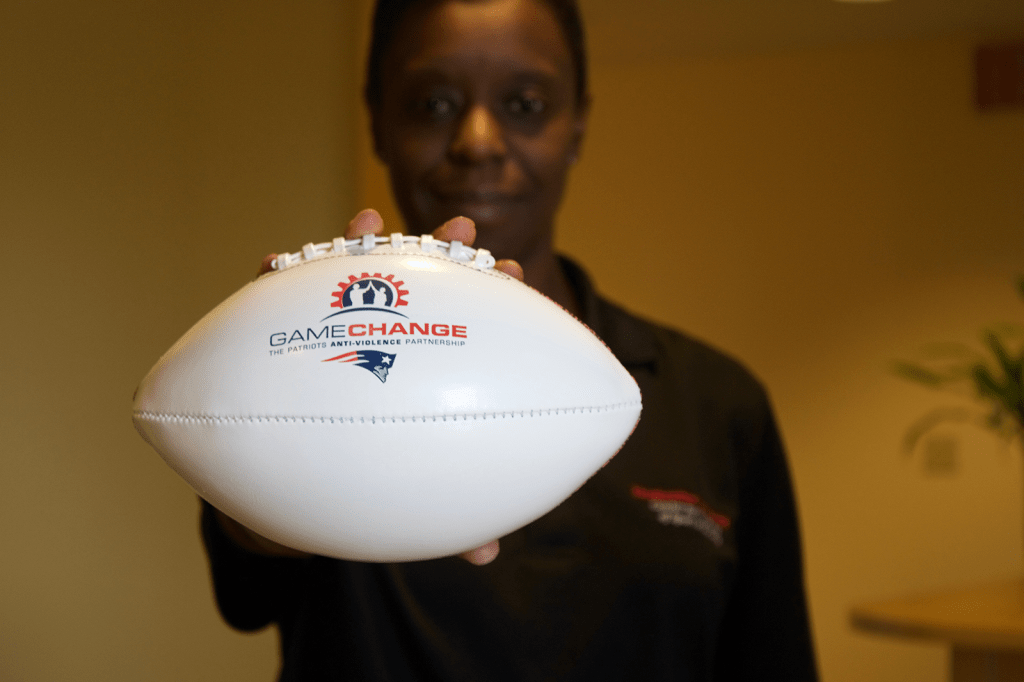
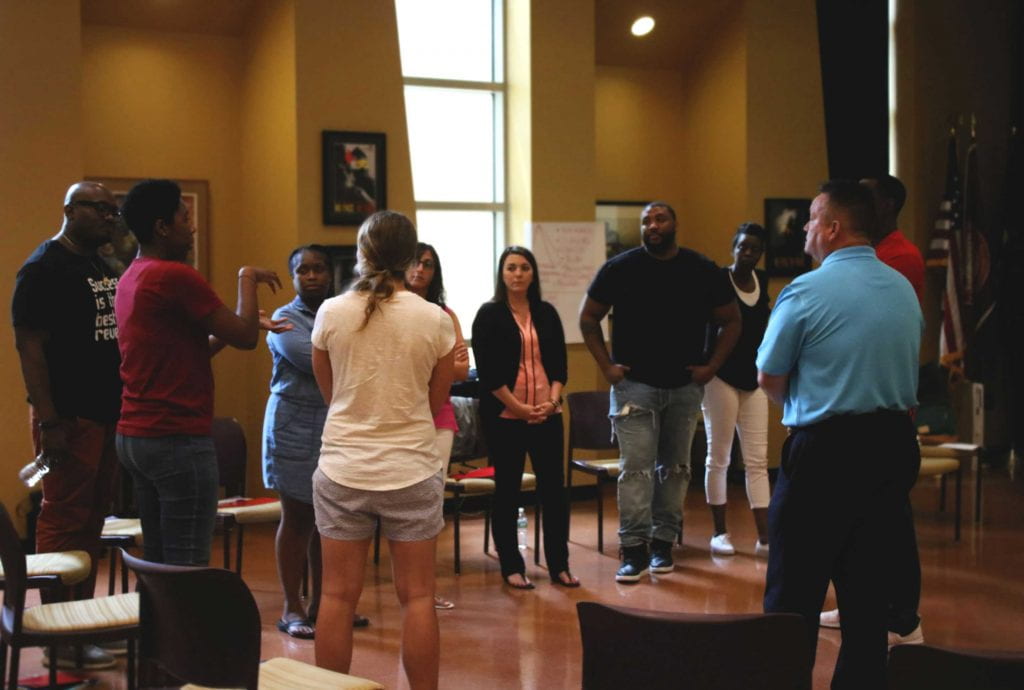
Programs
We use sport as a social justice platform to educate and support athletes, organizations, and emerging leaders. Click below to learn more about all of the programs we have to offer.
Services
Leverage the transformative power of sports. Our services offer tailored solutions for organizations, providing consulting, training, research, and evaluation to drive positive change.
Testimonials
As soon as I accepted the role of being the Headmaster at the Burke High School and was given the charge of “turning” this school around, I reached out to Dan Lebowitz, the Executive Director of The Center for the Study of Sport in Society at Northeastern University for support and guidance.
Given the enormity of this task, I was in need of partners that would engage with our school community in our efforts to create responsive, youth-focused, holistic systems of personal validation and trauma support. When I reached out to Dan, my ideas were met with the utmost enthusiasm, and our visions for the work aligned perfectly. Dan and his team delivered what they promised, and we forged an amazing partnership in this work. The series of workshops for staff and students were targeted to support our efforts to counteract the negative effects of social determinants and trauma experienced by our students. In addition, insights from this professional learning shaped our course of creating agency and true sustainable changes.
LINDSA MCINTYRE, SECONDARY SUPERINTENDENT AT BOSTON PUBLIC SCHOOLS
MVP is a life changer. It gave me an opportunity to examine healthy and unhealthy relationships at a critical time in my life. It provided me with a foundation to operate respectfully on both a personal and professional level and I draw upon lessons learned from that program almost daily.
DAVE HOFFMAN, SENIOR VICE PRESIDENT OF COMMUNITY ENGAGEMENTS, BOSTON CELTICS
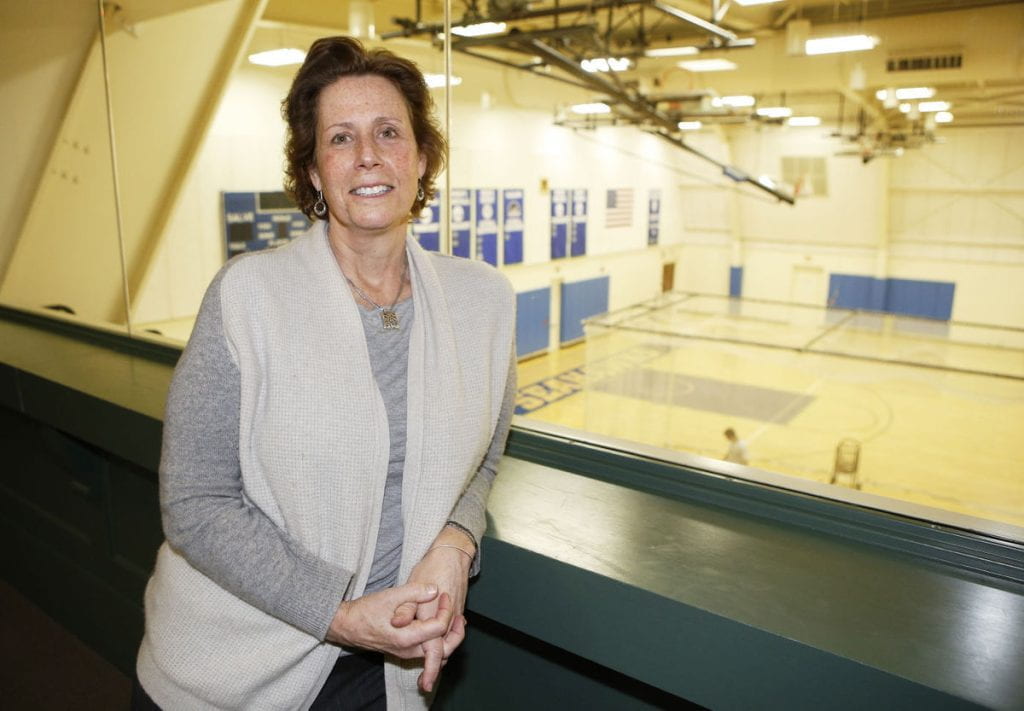
Boston College has relied on Sport in Society to provide us with invaluable training and resources regarding every issue in athletics including sexual assault and bystander education. It has allowed us to try to be proactive in protecting our student-athletes and helping them to grow. MVP training is a vital program for men and women. Our partnership with Sport in Society has been positive in every way.
JODY MOORADIAN, DIRECTOR OF ATHLETIC, SALVE REGINA (Retired)

The Master’s of Leadership program has been a rewarding and challenging experience. Paddle over the edge and take the drop if you want to improve your surfing career by expanding your education. you will develop skills you never knew you had and improve your analytical ability so that you can compete more effectively, maximize your talents and ultimately extend the life of your career.
WORLD CHAMPION SURFER SHAUN TOMSON