
Administrative Core & Research Translation
See the latest updatesThe Administrative Core provides a formal structure for oversight, planning, coordination, and promotion of cross-disciplinary, multi-university interaction by projects and cores. The specific aims of the Administrative Core are to (1) provide center direction and planning, (2) provide fiscal management and administrative services, (3) maintain active communication with NIEHS/SRP; (4) promote center activities and research results to all relevant stakeholders in scientific communities, government, and industry, and (5) develop investigator-initiated research translation activities for each project, including technology transfer and training on research translation.
Research Translation
The Research Translation Coordinator (RTC) works with PROTECT project and core leaders to ensure that all research is widely translated to stakeholders (federal/state/local, particularly to the entire SRP community and EPA and ATSDR), policymakers, professional societies/groups, industry, the university research community, non-profits, and broader public audiences. The RTC initiates journal articles that report on overall PROTECT outreach and emergency response. The RTC collaborates with PROTECT projects and cores to foster investigator-initiated research translation originating from these projects and from Center activities, as well as assist in grant proposal writing. The RTC organizes collaborations with other research teams, outside of PROTECT, who are working on related topics. The RTC meets regularly with each project leader to coordinate research translation for Center research and provides support for staff and trainees on translational work.
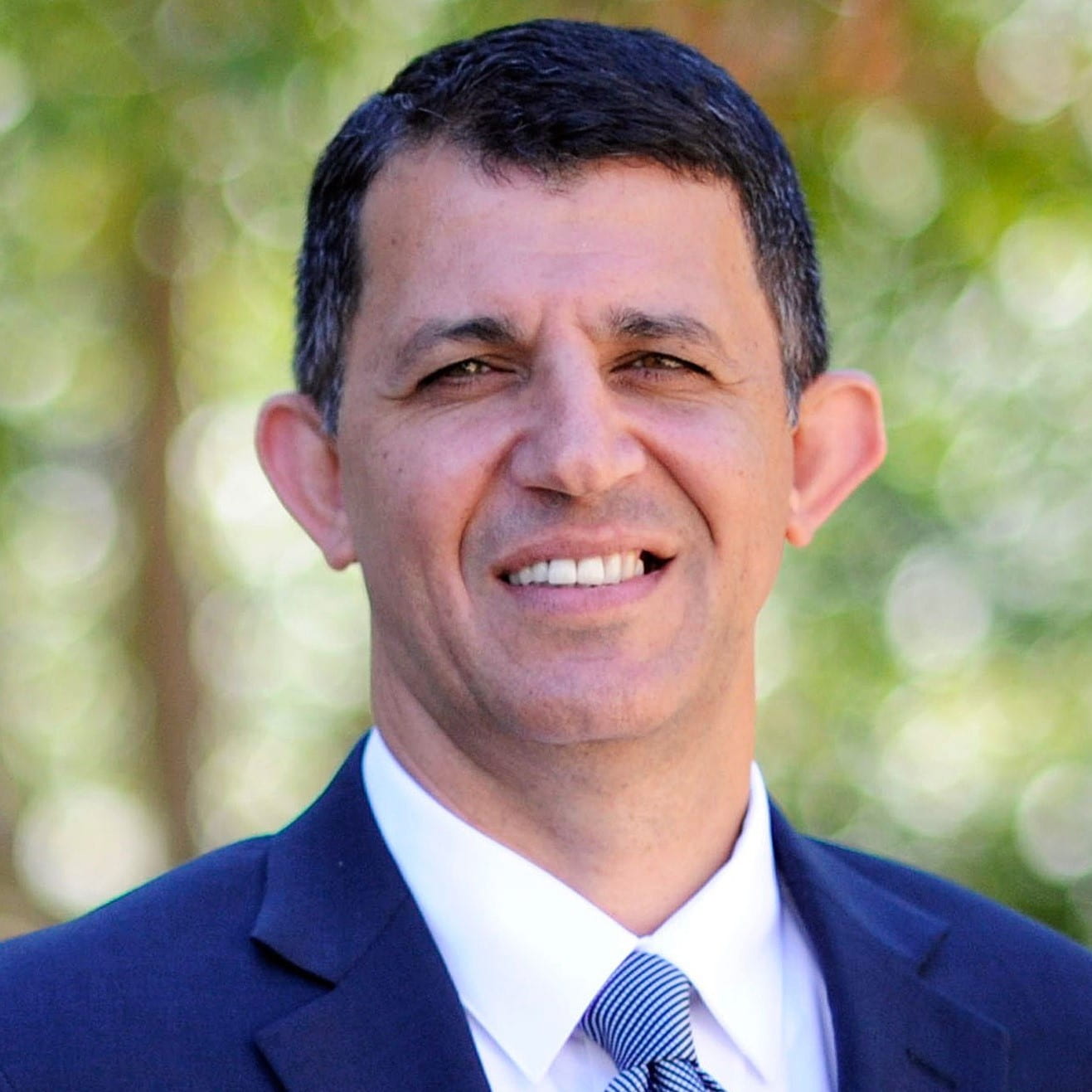
Akram Alshawabkeh
Northeastern University
Core Leader
a.alshawabkeh@northeastern.edu

Phil Brown
Northeastern University
Core Leader
p.brown@neu.edu

Anne Magrath
Northeastern University
Senior Director of Finance
a.magrath@northeastern.edu

Lura Slowinski
Northeastern University
Project Manager and Center Administrator
l.slowinski@northeastern.edu

Natalie Gold
Northeastern University
Administrative Coordinator
n.gold@northeastern.edu