Experiential education designed to make an impact.
John Martinson Honors Program
Housed under Education Innovation in the Office of the Chancellor, our team works to create student-centered experiences that embody our program outcomes:




The newly renamed John Martinson Honors Program was celebrated at a dedication event. Read more about the event and the exciting, innovative opportunities students will be able to take advantage of in the coming years here.
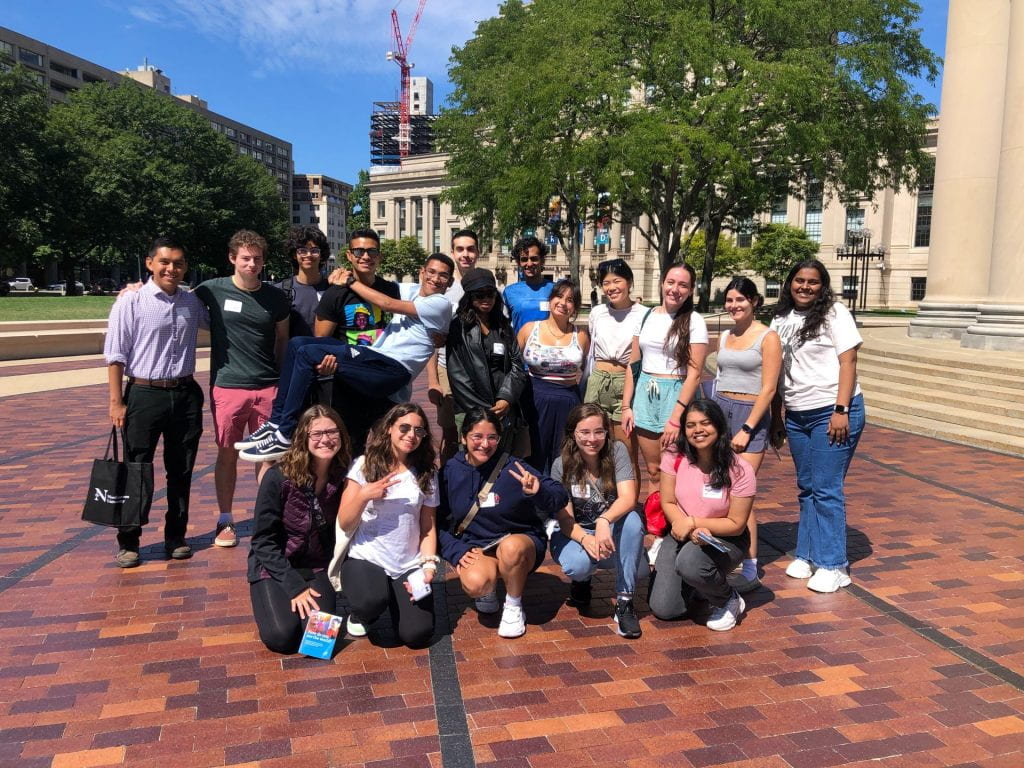
Join other students in a transformational Honors experience.
From their first day at Northeastern, Honors students have access to an innovative educational experience intentionally designed to meet their unique needs. Alongside the mentorship of our supportive Honors advisors, students are empowered to forge their own path by taking advantage of the numerous opportunities offered by the John Martinson Honors Program.
Join the Honors Faculty who create innovative educational experiences.
Our engaging Honors education is built upon the dedication and creativity of our faculty members who enrich our students’ intellectual lives, both inside and outside of the classroom. There are so many ways to impact the lives of our talented students. Examples include, but are not limited to, offering a one-of-a-kind interdisciplinary course, leading an Honors Dialogue of Civilizations, mentoring students’ research and creative endeavors, and coordinating an Honors Living Learning Community.

Meet our students…
- Humans of Honors: Danny HeinrichsDanny Heinrichs (CSSH ’24) is a fourth year Environmental Studies and Economics…
- Humans of Honors: Rupsa JanaRupsa Jana (COS ’25) is a third year Biochemistry student who is…